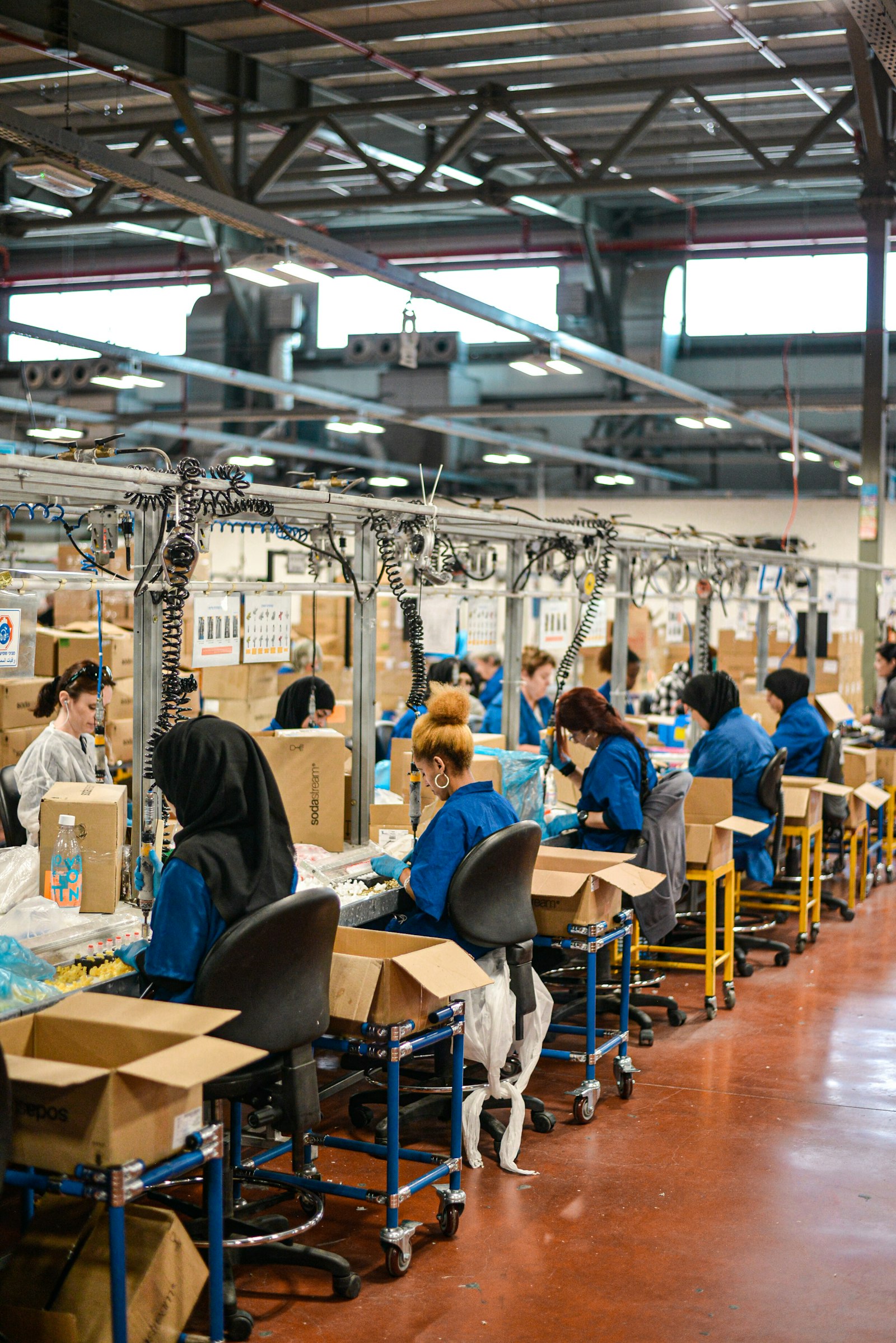
Short answer: to vet a Mexican manufacturing partner, verify the legal entity and its owners, confirm its tax standing, check its labor and subcontracting practices, review its litigation record, and ask for proof of the customs and export authorizations its operations depend on. Do this before you sign a supply or manufacturing agreement, not after production starts.
Nearshoring moves production closer to US and Canadian customers, but the cost savings only hold if the partner is real, solvent and compliant. The checks below focus on the risks that most often surface after contracting.
1. Verify the entity and its owners
Confirm the legal name, registration and legal representatives in the Public Registry of Commerce, and identify who ultimately owns and controls the company. A plant you visit is not proof of who owns the operating entity. Our KYB and AML guide covers the process.
2. Check tax standing
Confirm the partner’s RFC and screen it, and its main suppliers, against SAT 69-B lists. Invoices from listed taxpayers can create tax problems that reach their customers. See 69-B supplier screening.
3. Review labor and subcontracting practices
Manufacturers often rely on contract labor. Since the 2021 outsourcing reform, specialized-services providers must be registered in the REPSE registry, and companies that use unregistered providers can face joint liability. Ask how the plant staffs its lines and who employs the workers. See REPSE and supplier labor liability.
4. Understand the customs and export framework
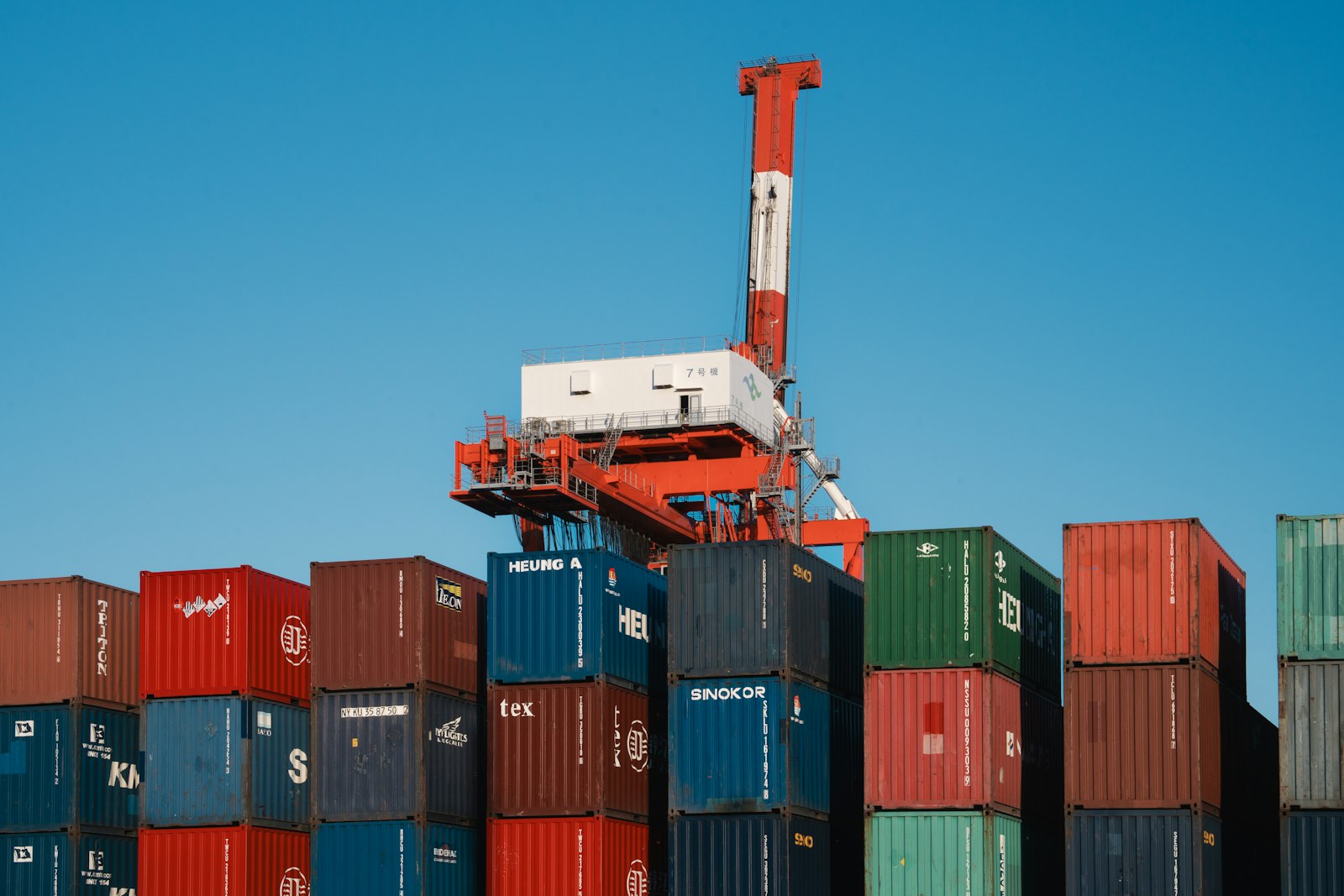
Many export manufacturers operate under Mexico’s IMMEX program, which allows registered companies to temporarily import goods for manufacturing and re-export. If your partner relies on it, ask for evidence of its authorization and have customs counsel confirm it is in good standing and covers the activity you are contracting for.
5. Search for litigation
Pending lawsuits, labor claims and administrative proceedings against the partner and its principals can disrupt production. See how to check litigation on a Mexican company.
Onboarding a Mexican manufacturing partner? CrediBusiness verifies entity, tax, labor and litigation records in one report. Contact us.
Keep the policy context in view
Trade rules affect nearshoring economics and can change. Read our checklist on nearshoring while the USMCA is under review and confirm current rules with trade counsel.
Frequently asked questions
What should I verify first about a Mexican manufacturer?
Its legal identity and ownership. Every other check depends on knowing which entity you are contracting with and who controls it.
Is a factory visit enough due diligence?
No. A visit confirms the plant exists, not who owns the operating company, whether it is in good tax standing or whether its labor model creates liability.
Do I need customs counsel?
If the partner operates under IMMEX or similar programs, yes. Customs counsel can confirm the authorization and its scope.
Leave a Reply